

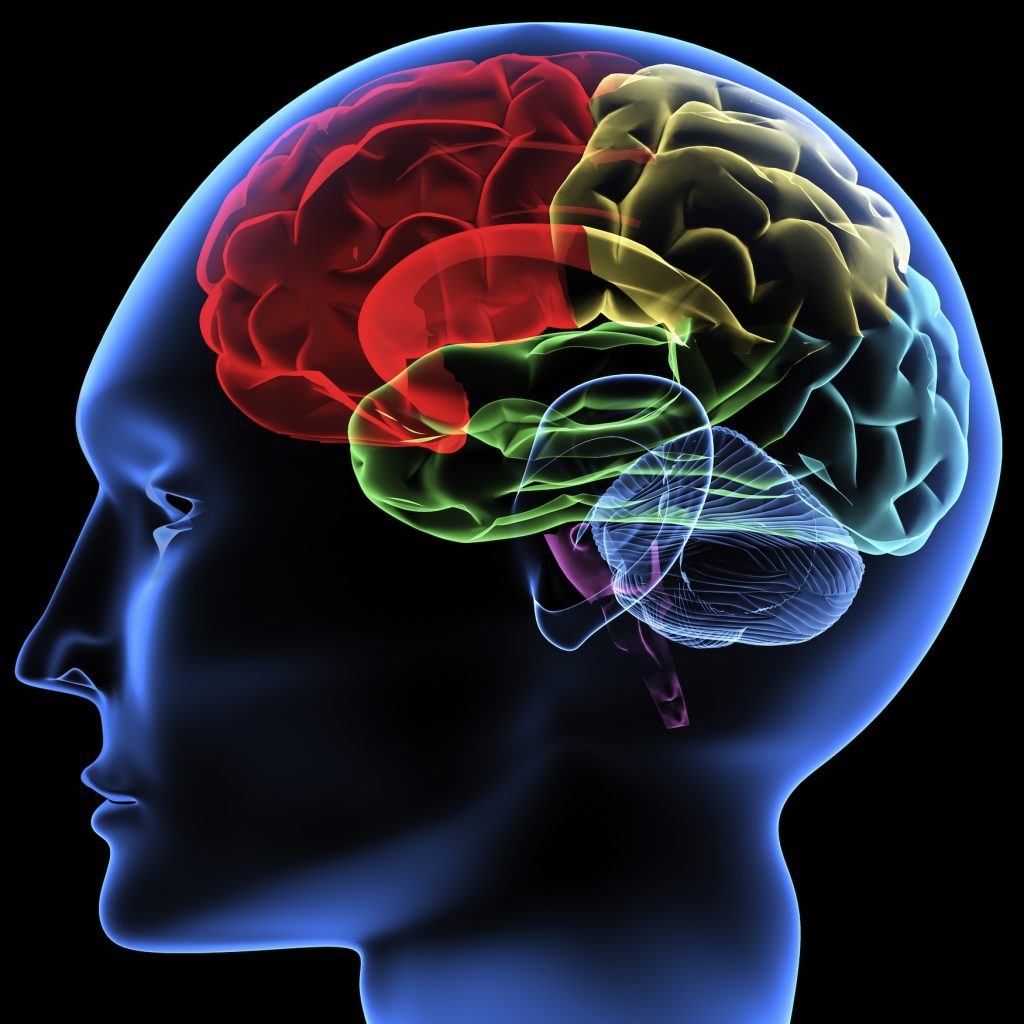
The human brain is an incredibly complex organ, comprising various regions that control different functions. Among these, the prefrontal cortex (PFC) holds a unique and critical role in executive functions, personality expression, decision-making, and social behavior. Damage to the prefrontal cortex can have profound and far-reaching consequences, impacting various aspects of an individual’s life. This article delves into the intricacies of prefrontal cortex damage, its causes, and the multifaceted side effects that can arise.
I. Anatomy and Functions of the Prefrontal Cortex:
The prefrontal cortex, located at the front of the brain, is the anterior part of the frontal lobes. It is often referred to as the “executive center” of the brain due to its involvement in high-order cognitive functions. The PFC is responsible for:
- Executive Functions:
- Planning and decision-making
- Working memory
- Inhibitory control
- Cognitive flexibility
- Personality Expression:
- Emotional regulation
- Social behavior and interactions
- Goal-directed behavior
II. Causes of Prefrontal Cortex Damage:
Prefrontal cortex damage can result from various causes, including:
- Traumatic Brain Injury (TBI):
- Concussions or more severe head injuries can directly damage the prefrontal cortex.
- Stroke:
- A blockage or rupture of blood vessels supplying the prefrontal cortex can lead to ischemia or hemorrhage, causing damage.
- Infections and Diseases:
- Neurological disorders, such as encephalitis or neurodegenerative diseases like Alzheimer’s, can impact the prefrontal cortex.
- Tumors:
- Brain tumors, especially those located in or near the prefrontal cortex, can cause damage due to compression or invasion.
- Developmental Abnormalities:
- Congenital conditions or abnormal brain development can affect the structure and function of the prefrontal cortex.
III. Side Effects of Prefrontal Cortex Damage:
Damage to the prefrontal cortex can manifest in a myriad of ways, affecting both cognitive and emotional domains:
- Impaired Executive Functions:
- Difficulties in planning and organizing daily activities.
- Reduced capacity for decision-making and problem-solving.
- Impaired working memory, affecting the ability to hold and manipulate information.
- Emotional Dysregulation:
- Increased impulsivity and risk-taking behavior.
- Difficulty in controlling emotions, leading to mood swings and emotional outbursts.
- Challenges in understanding and responding appropriately to social cues.
- Personality Changes:
- Alterations in personality traits, such as decreased empathy or increased irritability.
- Changes in social behavior, with possible withdrawal from social interactions.
- Inhibition and Self-control Issues:
- Reduced ability to inhibit inappropriate behaviors.
- Impaired self-control, leading to difficulties in resisting impulses.
- Language and Communication Challenges:
- Difficulties in expressing oneself coherently.
- Impaired comprehension of complex language.
- Cognitive Flexibility Deficits:
- Rigidity in thinking and difficulty adapting to changing circumstances.
- Challenges in shifting attention between tasks or stimuli.
Rehabilitation and Coping Strategies:
While the consequences of prefrontal cortex damage can be significant, rehabilitation strategies and support systems can help individuals cope with these challenges. Therapeutic interventions may include:
- Cognitive Rehabilitation:
- Targeted exercises to improve executive functions and working memory.
- Psychotherapy:
- Counseling to address emotional dysregulation and promote adaptive coping strategies.
- Medication:
- In some cases, medications may be prescribed to manage specific symptoms, such as impulsivity or mood disorders.
- Social Skills Training:
- Learning and practicing social cues and appropriate behaviors in various social situations.
- Supportive Environments:
- Creating environments that accommodate and support individuals with prefrontal cortex damage, minimizing stressors.
conclusivily damage to the prefrontal cortex can have profound and multifaceted effects on an individual’s life. Understanding these consequences is crucial for healthcare professionals, caregivers, and individuals themselves to develop effective rehabilitation strategies and support systems. Ongoing research into the intricacies of the prefrontal cortex and its functions will further enhance our ability to mitigate the impact of damage and improve the quality of life for those affected.